

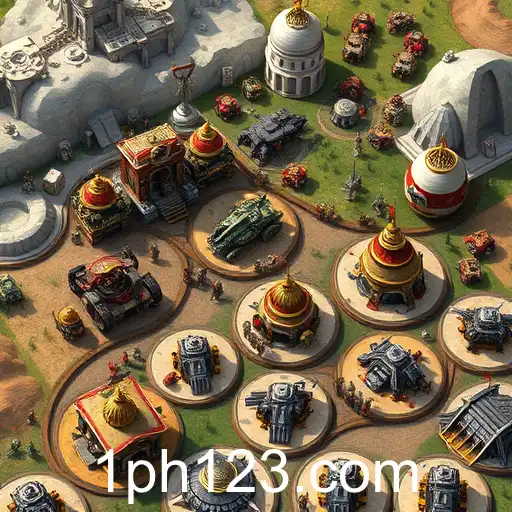

In the world of gaming, few categories offer the same depth and complexity as Strategy Games. These games, characterized by their need for careful planning, foresight, and tactical prowess, have engrained themselves as a staple among video game enthusiasts. This article delves into the nuances of strategy games, exploring their evolution, variety, and the unparalleled engagement they offer players.
Strategy games have been a part of the gaming fabric since the earliest days of video games. Titles like 'Civilization', 'StarCraft', and 'Age of Empires' have shaped the genre, taking players on journeys through historical conquests, intergalactic battles, and empire-building scenarios. These games require players to think several steps ahead, manage resources efficiently, and outwit opponents through brilliant tactical decisions.
One of the defining features of strategy games is their ability to simulate complex systems which challenge players in unique ways. Whether commanding vast armies in real-time strategy games (RTS) or managing an expanding kingdom in turn-based strategy (TBS) games, players are expected to devise and execute long-term plans effectively.
The genre's broad appeal has led to a rich tapestry of games that offer diverse experiences. For those who relish minute-to-minute tactical decisions, titles like 'Command & Conquer' provide fast-paced action where decisions must be made in the blink of an eye. Meanwhile, strategy games with a slower pace, like 'Crusader Kings' or 'Football Manager', allow players to craft their unique narrative through decisions that ripple through time.
Strategy games also boast of fostering a competitive yet constructive community. The strategic nature of these games encourages players to discuss strategies, share tips, and even collaborate in cooperative modes. Through competitive multiplayer matches or single-player campaigns, strategy games offer endless hours of replayability as no two games are alike.
Moreover, the advent of modern technology has only expanded the horizons for these games. Increased computational power allows for more complex AI opponents, larger multiplayer battles, and improved graphics which immerse players deeper into the worlds they are attempting to conquer or defend.
Strategy Games are a category that continues to evolve and captivate as game developers push the boundaries of what is possible. With their intricate mechanics, strategic depth, and endless possibilities, they remain beloved by millions worldwide, continuing to offer rich and rewarding experiences for anyone willing to engage with their challenges.

Exploring how an English game website revolutionizes online gaming amidst evolving trends in 2026.

An exploration of the evolving gaming industry dynamics as 2026 unfolds, reflecting on new technological trends and community impacts.

Exploring the rapid evolution of online gaming, featuring the emergence of new platforms and technologies.

Exploring the growth of online game communities in 2026 and the role of platforms like ph123 in shaping gaming interactions.

Exploring the dynamic shifts in online gaming, including trends, technological advancements, and the evolving community.

Exploring the impact of online gaming in 2026 as it shapes social interaction, technology trends, and youth culture.
